Getting used to your new hearing aids: A step-by-step guide to confident hearing
Hearing aid adjustment period
How long does it take to get used to hearing aids?
Most people report feeling fully adjusted to their hearing aids after three to four months. The adjustment period will vary based on your age, previous experience with hearing aids and comfort with tech applications.
Three to four months can go quickly, and it all starts with one easy step: having a chat with your audiologist. Better hearing takes patience and commitment, but it’s one of the best investments you can make in yourself.
Step-by-step guide for adjusting to hearing aids
Step 1: Make sure your hearing aids are set up correctly
Before your brain can start adjusting to new sounds, it's worth checking that you're wearing your new hearing aids correctly. A hearing aid that isn't fitted or inserted correctly can make the early days feel harder than they need to be.
Quick checks to run through:
- Right ear, left ear: most hearing aids are colour-coded (red for right, blue for left), so make sure each one is in the correct ear.
- A snug, invisible fit: when inserted properly, the dome sits in your ear canal and the tubing or wire lies flush against your skin.
- Start at the recommended volume: begin at the level your audiologist set, rather than turning things up or down yourself in the first few days.
- No pain, no pinching: hearing aids shouldn't hurt. If you feel discomfort, remove them and check in with your audiologist before continuing.
Getting this right from day one makes every step that follows much smoother.
Step 2: What to expect in the first few days

Voice difference
You may experience your voice sounding different.
Sound fatigue
You may get sound fatigue from hearing everything from ticking clocks to traffic.2
New sounds
You may hear sounds that you have not heard in a while, such as birds chirping, footsteps and so on.
Similarly, at first, you may feel unaccustomed to all the new sound input from your hearing aids, but with time and regular use, your brain will adjust and become more comfortable with these sounds. With consistent use, this stimulation enhances your brain’s ability to process sound and improves overall cognitive function.
As your brain recalibrates to these new audio stimuli, it will self-correct accordingly. If there are any sounds that you’re not quite sure about, make a note of these and bring them up at your next appointment with your audiologist.
Step 3: Building comfort and routine with your new hearing aids

Increase wear time
Increase the amount of time you wear hearing aids, adding an hour per day until you hit 8-10 hours daily. Research suggests that wearing your hearing aids for more than eight hours daily significantly improves long-term satisfaction, listening comfort and quality of life.3 In clinical practice, eight hours is often cited as a minimum benchmark to achieve consistent benefits.4
Change environments
Experiment with a variety of different settings, including social gatherings or outdoor environments.5

Step 4: Exploring new listening environments with confidence
,
To speed up the hearing aid adjustment period:
If you're experiencing any physical discomfort or fit issues, reach out to your audiologist as they'll be more than happy to assist you with an adjustment.
Expose yourself to more sound
Practice conversations in larger groups and expose yourself to loud, busier environments.2
Lower volumes
Lower the television volume to help rewire your brain to a more baseline level of sound processing.2
Fine tune your settings
As your brain adapts to all the new sounds, your audiologist can start fine-tuning your hearing aids based on your real-world experiences. The more comfortable you become, the easier it is to personalise the settings of your hearing aids through app-based controls to match your needs and lifestyle.
Aural rehabilitation
Ask your audiologist about aural rehabilitation, a therapeutic process designed to strengthen the auditory centres of the brain via evidence-based exercises and activities conducted with your hearing care professional.
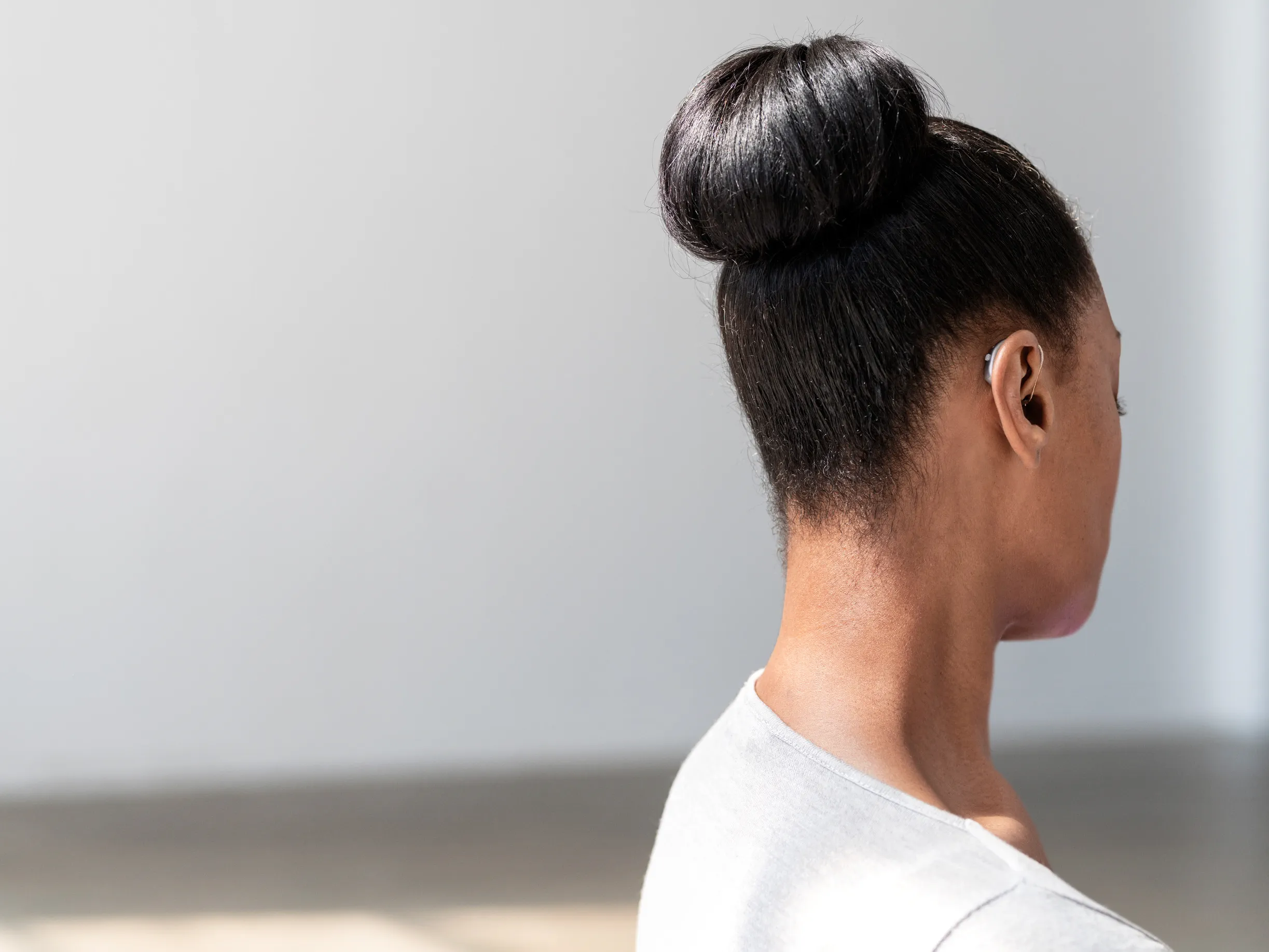
When hearing aids feel like second nature
3 tips for long-term success
Tip #1
Tip #2
Tip #3
Caring for your first pair of hearing aids
Hearing aid maintenance for first-time users

Daily cleaning
Clean your hearing aids daily. Also, know how to recognise any signs of damage to your hearing aids.
Replace domes and wax guards
Replace your domes and wax guards once every four weeks or as per your audiologist’s recommendation.
Maintain good hygiene
Before you clean the delicate microphone component of your hearing aids, make sure you wash your hands properly.
Consult with your audiologist
Consult your audiologist for any questions on cleaning and caring for your hearing aids.

Sources:
- Doctor Cliff (7 March 2023): https://youtu.be/bi-PHpHan0Q?si=fgCr4w7dqa2Av9xZ&t=148
- National Council on Ageing (10 Jan 2025): https://www.ncoa.org/article/how-to-adjust-to-hearing-aids/
- Seminars in Hearing: Benefits from, Satisfaction with, and Self-Efficacy for Advanced Digital Hearing Aids in Users with Mild Sensorineural Hearing Loss (15 June 2018): https://pubmed.ncbi.nlm.nih.gov/29915453/
- Journal of the American Academy of Audiology: Predictors of Hearing Aid Use in the Advanced Digital Era: An Investigation of Benefit, Satisfaction, and Self-Efficacy (16 August 2019): https://pubmed.ncbi.nlm.nih.gov/31429400/
- Hearing loss in adults: assessment and management. NICE Guideline, No. 98. National Guideline Centre (UK). London: National Institute for Health and Care Excellence (NICE); (Jun 2018): https://www.ncbi.nlm.nih.gov/books/NBK536555/
- Silicon Valley Hearing (14 November 2024): https://www.siliconvalleyhearing.com/blog/adjusting-to-new-hearing-aids
- Holman, J. A., Drummond, A., & Naylor, G. (2021). Hearing Aids Reduce Daily-Life Fatigue and Increase Social Activity: A Longitudinal Study. (Jan–Dec 2021) https://pubmed.ncbi.nlm.nih.gov/34747674/