Ask an Expert: Can My Hearing Aids Be Reprogrammed as My Hearing Changes?

Q: Can my existing hearing aids be reprogrammed to fit my new hearing levels?
A: Hearing aids are selected based on a person’s specific hearing needs and unique lifestyle. Audiologists often recommend hearing aids that can be adjusted over time, especially if hearing changes.
While hearing loss doesn’t usually improve, it can often stabilise with consistent hearing aid use and recurrent brain stimulation, so the same device may continue to work well for years.
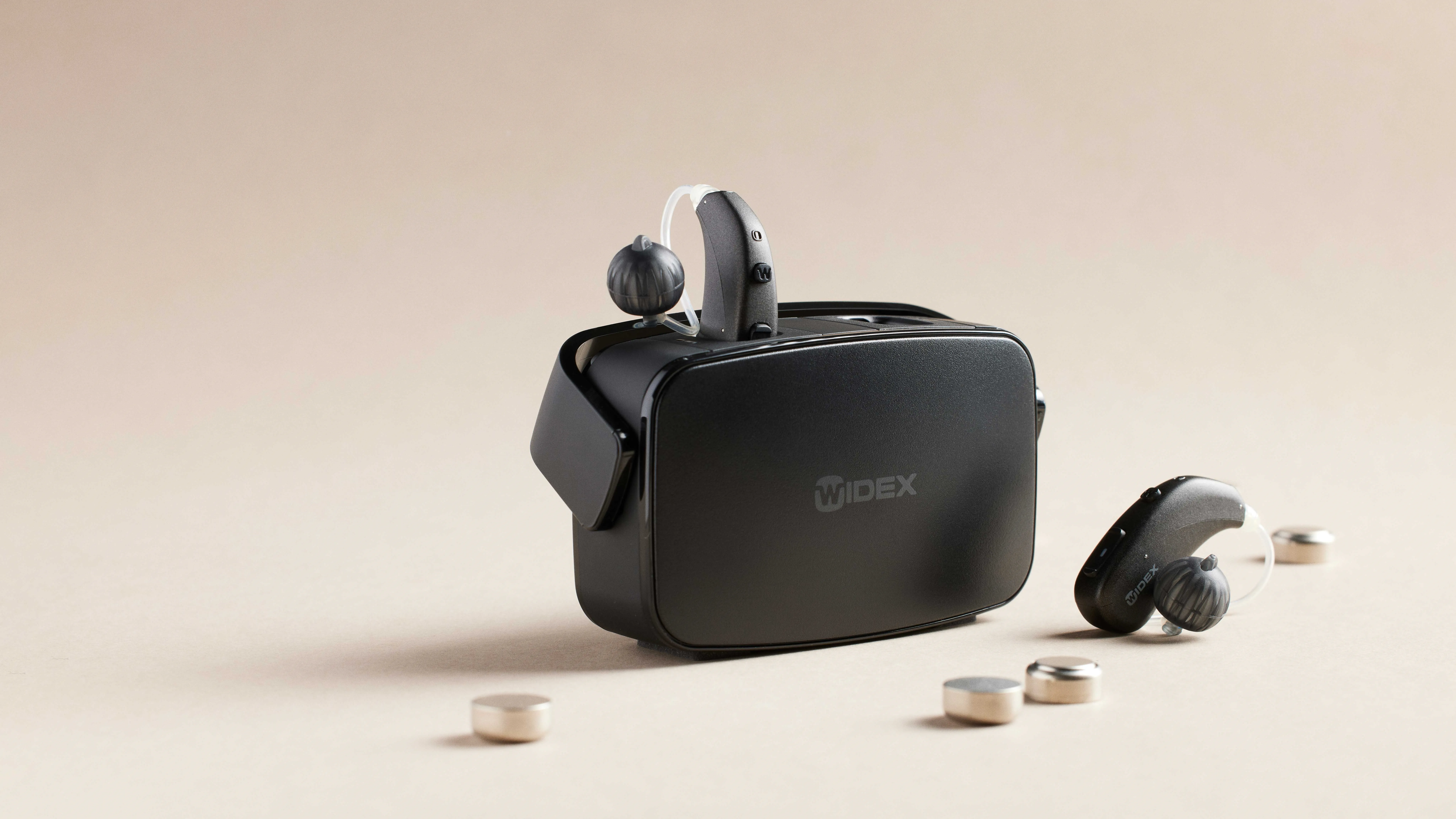
For progressive hearing health changes – when hearing is expected to worsen due to medical conditions – behind-the-ear (BTE) hearing aids are often suggested, as they adapt to a wider range of needs. If you notice significant changes and your current hearing aids no longer provide the support you need, exploring different solutions with your audiologist can help you stay connected.

In some cases, if your hearing changes (for example, involving the middle ear), a different kind of hearing aid may be recommended; these are more specialised than standard models. If you have very significant hearing loss, a trial with hearing aids can help determine whether they offer enough benefit.
A cochlear implant may also be considered to provide more suitable amplification. This device works differently from a hearing aid; in cochlear implants, sound is sent to the brain directly through stimulation of the auditory/hearing nerve.
Q: How often should you have a hearing test if you have hearing aids?
A: The best way to keep your hearing and your hearing aids performing at their best is to have a hearing test at least once a year. Getting regular checkups helps make sure your hearing aids are always set to support your lifestyle and needs as they evolve.
If you feel like your hearing aids aren’t working as well as expected or you’ve noticed changes in your hearing, reach out to your audiologist as soon as possible for support and solutions. Sometimes all that’s needed is a simple setting update, fresh batteries, or a new wax filter; straightforward solutions that can make a noticeable difference.
Q: How often do you need to get your hearing aids adjusted?
Q: How will I know if my hearing has changed enough to need an adjustment?
Speak with an audiologist
If you’ve experienced anything that could impact your hearing, such as head or neck trauma, surgery, excessive noise exposure, certain health conditions (like meningitis or stroke), or long-term medication use, it’s important to mention it to your audiologist.
Remember, hearing aids are designed to enrich your daily life and keep you connected, while supporting your brain’s engagement with sound. Your hearing can change, but your hearing aids and your hearing care team are here to help every step of the way.
If you’re interested in even clearer sound or want features that better fit your lifestyle, ask about new models. Today’s technology offers advanced sound processing and adaptability so you can hear your best.
If your hearing aids work well in general, but you need a boost in specific settings like meetings or lectures, assistive listening devices can help. They stream sound directly to your hearing aids, reducing the effects of distance and background noise and offering better clarity.
If you’re unsure if your hearing health has changed or want to explore how the latest hearing technology can help you hear your best, we’re here to support you. Find your nearest Bloom Hearing Specialists store and book your appointment today - your hearing journey matters to us!